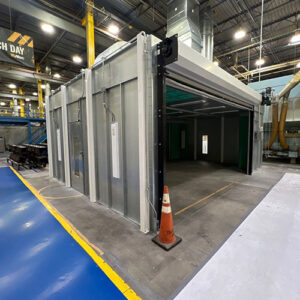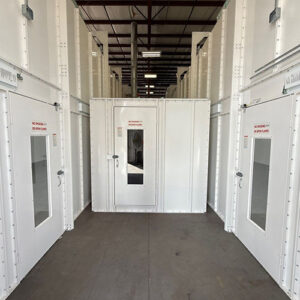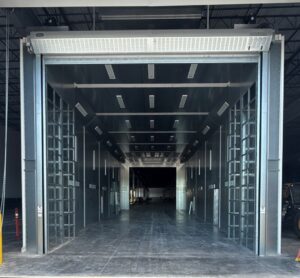
A waterborne spray booth does not succeed because the coating is waterborne. It succeeds because the booth environment supports the coating system. Dry time, airflow, temperature, humidity, filtration, and process discipline all influence how consistently waterborne materials perform. For related planning context, compare this with make-up air unit ROI y paint booth air balance warning signs.
Shops sometimes switch to waterborne paint expecting it to behave like their previous solvent system with only minor adjustments. In reality, waterborne coatings can be more sensitive to environmental conditions. That does not make them impractical. It means the booth and the shop process need to be evaluated carefully.
Waterborne paint changes the drying conversation
Bottom line: choose the booth setup around the work you actually run, the finish quality you need, and the installation constraints your facility has to satisfy.
Waterborne coatings rely on water evaporation as part of the drying process. That makes airflow and humidity especially important. If the booth environment does not help move moisture away from the surface, dry time can stretch out and production can slow down.
With solvent-based products, many shops are used to thinking primarily about solvent flash. With waterborne systems, the question becomes how effectively the booth environment supports evaporation without creating other finish problems. The painter still needs good application technique, but the booth must help the coating move through the intended drying stages.
This is why waterborne performance should be discussed as a system issue, not just a paint issue.
Airflow needs to support evaporation and finish quality
Airflow is one of the first things to review when a shop is using or considering waterborne paint. The goal is not simply to move as much air as possible. The goal is to move air in a controlled, effective pattern that supports drying and keeps the spray environment stable.
Poor airflow can create several problems. If air movement is weak, moisture may linger around the surface and dry time may increase. If air movement is uneven, one area may dry faster than another. If air movement is turbulent or poorly directed, the finish can suffer and contaminants may become more difficult to control.
A well-designed booth should provide consistent airflow across the work area. For waterborne coatings, some shops also use supplemental air movement tools or drying systems designed for that purpose. Those tools should be selected and used carefully so they support the coating manufacturer’s process rather than creating uncontrolled air movement.
Humidity can make or break dry-time expectations
- Confirm the largest part, vehicle, or product envelope before sizing the booth.
- Check airflow, exhaust, replacement air, lighting, and utility assumptions early.
- Use local code and authority-having-jurisdiction input before treating any layout as final.
Humidity is one of the biggest variables in waterborne work. When the air is already holding a lot of moisture, water evaporates more slowly from the coating. That can extend flash times, delay production, and frustrate painters who are trying to maintain a predictable workflow.
Low humidity can create its own challenges depending on the coating, application, and shop conditions. The point is not that one number solves every situation. The point is that humidity should be measured and managed instead of guessed.
Many dry-time complaints are really environment complaints. A shop may blame the paint, painter, or booth when the underlying issue is that humidity is not being controlled well enough for the work being performed.
Temperature still matters
Waterborne coatings are often discussed in terms of humidity, but temperature remains important. Cooler booth conditions can slow evaporation and drying. Excessively hot conditions can create application challenges or cause the coating to behave differently than expected.
The best operating range depends on the coating system and manufacturer guidance. Shops should follow the paint manufacturer’s technical data sheets and confirm that the booth can maintain suitable conditions during real production, not just when it is empty.
Temperature consistency matters too. If the booth performs differently in the morning, afternoon, summer, or winter, dry-time expectations may shift throughout the year. That makes training and scheduling harder unless the shop accounts for seasonal variation.
Makeup air can affect waterborne performance
A booth does not operate in isolation. Exhausting air from the booth requires replacement air. If makeup air is not properly handled, the booth may struggle to maintain stable airflow, temperature, or pressure relationships.
For waterborne paint, this can become especially noticeable because dry time is so tied to the booth environment. If incoming air is too humid, too cold, too hot, or inconsistent, the booth may not deliver predictable performance. A makeup air unit may be important for shops that need better environmental stability, particularly in climates with large seasonal changes.
The right solution depends on the facility, booth design, production volume, and coating requirements. But buyers should understand that waterborne conversion is not only a spray gun and paint cabinet decision. It may also be an air management decision.
Faster drying is not always better
When dry time is a problem, the natural instinct is to add more air or more heat. That can help in some cases, but it should not be done blindly. Too much air movement, poorly directed air, or the wrong drying approach can create defects, disturb the surface, or produce inconsistent results.
The objective is controlled drying. Painters need the coating to flash predictably without sacrificing appearance, adhesion, or process reliability. That is why coating manufacturer recommendations matter. The booth and any drying aids should be matched to the material system and the work type.
A shop should be cautious about improvised drying methods. Household fans, unapproved equipment, or uncontrolled airflow can introduce contamination, safety issues, or compliance problems. Use equipment appropriate for the booth environment and the coating process.
Filtration and cleanliness remain critical
Waterborne paint does not eliminate the need for booth cleanliness. Overspray control, intake filtration, exhaust filtration, and housekeeping still matter. In some shops, longer or more sensitive dry stages can make contamination feel even more frustrating because the surface may remain vulnerable for longer than expected.
Filters should be maintained according to the booth and filter manufacturer’s recommendations. Loaded filters can affect airflow, pressure balance, and booth performance. If the shop is chasing waterborne dry-time problems while ignoring filter condition, it may miss a basic cause.
Cleanliness also includes the air supply, booth interior, painter habits, part preparation, and traffic around the booth. Waterborne success depends on the whole process being stable.
Common waterborne spray booth questions
Shop owners and managers often ask similar questions when planning for waterborne paint.
**Will waterborne paint dry slower?** It can, especially if humidity is high, airflow is poor, or booth conditions are not controlled. With the right booth setup and process, many shops achieve predictable dry times.
**Do we need special drying equipment?** Not always, but many shops benefit from air movement or drying tools designed for waterborne systems.
**Can our existing booth handle waterborne paint?** Possibly. The booth should be evaluated for airflow, filtration, makeup air, temperature control, humidity conditions, and overall condition before assuming it is ready.
**Is humidity control mandatory?** Requirements vary by coating system and production expectations. However, humidity should at least be monitored. Shops with serious production goals may need better control.
**Can we just open doors or use fans?** That is usually the wrong mindset. Uncontrolled air movement can affect finish quality, contamination, and safety. Use appropriate booth-rated strategies and consult qualified professionals.
Waterborne conversion should include process training
A waterborne spray booth setup is only part of the equation. Painters and managers need to understand how the material behaves, how to read flash stages, how to adjust within manufacturer guidelines, and how environmental changes affect production.
Training helps prevent the booth from being blamed for every issue. If the team understands the coating system and the booth environment, troubleshooting becomes more accurate. A dry-time problem can then be approached logically: check humidity, temperature, airflow, filter condition, application technique, material guidance, and equipment settings.
Without training, shops often make random adjustments. That can lead to inconsistent results and unnecessary frustration.
Compliance and safety still apply
Waterborne does not mean hazard-free. Many waterborne coating systems still involve chemicals, additives, cleaners, or processes that require proper ventilation, personal protective equipment, fire safety practices, and regulatory awareness. Booth equipment must be appropriate for the materials and the location.
This article provides general buyer guidance, not legal, safety, or engineering advice. Shop owners should consult coating manufacturers, qualified booth professionals, safety professionals, and the authority having jurisdiction to confirm applicable OSHA, NFPA, environmental, fire, and local requirements.
What to evaluate before buying or modifying a booth for waterborne
Before investing in a new booth or modifying an existing one, review the full operating picture:
- Coating system requirements
- Expected production volume
- Local climate and seasonal humidity
- Existing booth airflow and balance
- Makeup air capacity and conditioning
- Temperature stability
- Filter maintenance practices
- Drying aids or air movement options
- Painter training needs
- Compliance and safety requirements
This evaluation helps a shop avoid underbuilding the booth environment. It also helps prevent overbuying equipment that does not solve the true bottleneck.
Bottom line: waterborne success depends on controlled conditions
Waterborne paint can work very well in a properly planned booth environment. The key is to treat dry time as a function of airflow, humidity, temperature, filtration, makeup air, and process discipline. If those factors are ignored, the shop may experience slow drying, inconsistent results, and avoidable rework.
A waterborne spray booth should be selected or evaluated around the coating system and the production goals, not around assumptions. The more predictable the booth environment, the more predictable the finish process can become.
If your shop is considering waterborne paint or struggling with dry-time and humidity questions, PaintBooth can help you evaluate booth airflow, air management, and equipment options. Contact PaintBooth to discuss the right booth strategy for your waterborne finishing process.
What to do next
If you are comparing booth options, the safest next step is to match the equipment to your work mix, facility constraints, airflow needs, and approval path before you commit to a layout. PaintBooth.com can help you review sizing, configuration, and installation questions before the project gets expensive. Contact the team to request a quote or talk through the right booth direction for your shop.