
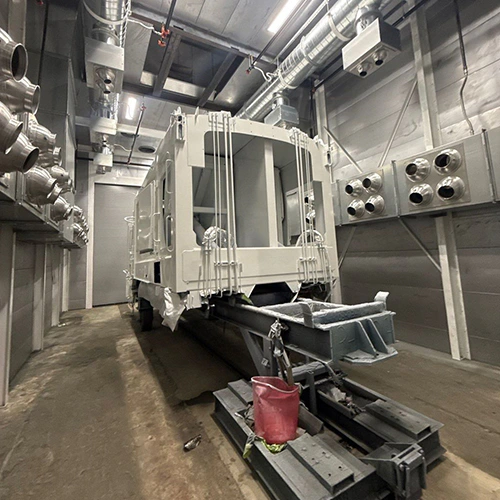
Sandblasting is a powerful technique used across industries for surface preparation, cleaning, and finishing. Whether you’re removing rust, stripping old paint, or prepping a surface for a new coat, sandblasting gets the job done faster and more efficiently than most manual methods. But to get those smooth, even results without damaging the surface—or your equipment, there’s one key factor you can’t ignore: air pressure.
So, what’s the ideal air pressure for sandblasting? The answer isn’t one-size-fits-all, but understanding how pressure impacts the process can help you get the best results while keeping your workspace safe and your equipment in good shape.
Why Air Pressure Matters in Sandblasting
Air pressure in sandblasting isn’t just about power, it’s about control. Think of it like using a garden hose. Too little pressure, and you’re barely moving the dirt . Too much pressure, and you might end up damaging your plants. Sandblasting works the same way. Too little air pressure and you’re wasting time and media. Too much, and you could damage the surface, your equipment, or even risk injury. The right pressure ensures the abrasive media hits the surface with just enough force to clean or etch it effectively without going overboard.
So, What’s the Magic Number?
There’s no one-size-fits-all answer, but here’s a good rule of thumb:
Most sandblasting projects work best at 90 to 100 PSI (pounds per square inch).
This range is often considered the “sweet spot” for many standard applications. It gives you enough force to remove coatings, rust, or grime, but not so much that you lose control or cause damage, assuming you’re using the right equipment and techniques, of course.
But keep in mind—90 PSI is the pressure at the nozzle, not at the compressor. This is an important distinction because pressure losses can occur along the hose, especially if it’s long or narrow. That’s why many professionals recommend setting your compressor output to 100–125 PSI to ensure you still get a solid 90 PSI at the working end.
The “Depends” Factor
Of course, not all sandblasting jobs are created equal. The ideal air pressure can vary depending on a few key factors:
Understanding how these elements play together is the key to finding your ideal PSI for each job. The more experience you gain, the more natural it becomes to adjust based on feel and results.
Watch the Flow, Too
While PSI gets most of the spotlight, CFM (Cubic Feet per Minute)—or air volume—is just as important. Think of PSI as how hard you’re blowing, and CFM as how much air you’re blowing. Without enough CFM, even high pressure won’t help much. It’s like trying to blow up a balloon with a single puff of air. You need sustained airflow to keep that abrasive moving and effective.
Most sandblasters recommend a compressor that delivers at least 90–100 CFM for serious sandblasting work. For bigger jobs, even more may be needed. It’s one thing to reach 100 PSI, but you also need to maintain it under load. If your compressor can’t keep up, your pressure will drop, your blasting becomes uneven, and your results will suffer.
What Happens If Pressure’s Too Low?
If your pressure is too low, you’ll likely notice:
In short, you’ll be spending more time, using more media, and not getting the results you want. It can also cause clogging issues in your blasting gun since the media isn’t flowing properly.
What If Pressure’s Too High?
On the flip side, blasting at too high a pressure can be risky. Here’s what could go wrong:
This is why blasting isn’t just about cranking everything to the max . It’s about balance. High pressure may seem efficient at first, but if you’re replacing parts or redoing work, it’s not really a win.
Final Thoughts
Sandblasting isn’t just about brute force, it’s about finesse. The ideal air pressure is typically in the 90 to 100 PSI range, but what’s “ideal” really depends on your specific job, materials, and goals. If you’re blasting a heavy-duty truck chassis, you’ll likely be on the higher end. If you’re prepping a wooden sign or antique metal, lower pressure is your friend.
At the end of the day, sandblasting is all about getting the best finish in the most efficient way possible. By dialing in the right pressure and keeping an eye on air volume, you’re setting yourself up for success. And remember, practice makes perfect. The more you blast, the more second nature all this will become.Looking for help setting up the right sandblasting environment in your paint booth? Our team is always here to help guide you to the best solutions. Just reach out—we’ve got the air pressure (and everything else) covered.