Before a paint booth installation begins, the permit process usually starts with the local building department, mechanical review, and a clear understanding of what drawings and approvals the jurisdiction expects. Early planning helps avoid redesigns, scheduling delays, and missed code requirements once the booth, exhaust, and supporting utilities are under review. For related planning, review industrial paint booth systems and available guidance on paint booth installation.
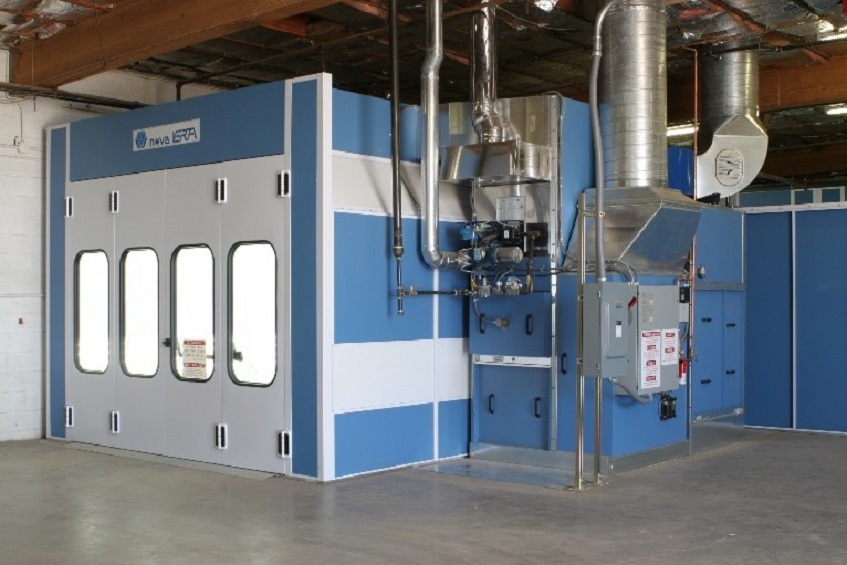
Starting Your Paint Booth Permit
Once you decide to install a paint booth, one of the first steps is usually to call your city or county building department. Sometimes smaller cities have their own building divisions, but most projects route through the county or, in some cases, the state.
The goal is to understand how broad the permitting process will be for the spray booth installation work required on your project. Even if your installer or contractor plans to pull the permit on your behalf, it still helps to understand the process instead of relying entirely on a middleman. In many cases, you may still be the one responsible for carrying the permit process forward.
If you have time, visiting the department in person can help. If your municipality still accepts paper applications, you may be able to gather forms, ask questions, and leave with a clearer next step. If not, a phone call is usually enough to start.
When you reach the building department, describe the scope clearly. Paint booth installations are often treated as additions inside a commercial building and may involve mechanical, electrical, roofing, gas, and concrete work depending on the booth model. Ask whether any other departments are involved so you can estimate the timeline more accurately.
All paint booths need a fire suppression system. Usually the suppression contractor pulls that permit, but you should still ask who handles it and what the inspection process looks like so you are not caught off guard later.
While you are on the phone:
- Find the city or county forms and submission instructions.
- Confirm which commercial permit application is correct for your project.
- Ask how to list yourself as a contact or primary contact if you are managing the process.
Next, confirm contractor licensing. Once you choose a contractor, search the state licensing database and make sure the license is active and recorded with the municipality handling the permit.
“Making sure your contractor is in the database is the best thing to start with. If the license is already in the database, make sure it’s up to date. This makes the permitting process go smoother. When the permit application is submitted, the licenses listed won’t get flagged, which makes everyone’s job easier. Having all the documentation done that the department wants always helps the process go smoother.” — Liz Tarpein, Contractor Licensing, Brevard County Florida
It also helps to work with a certified contractor. Registered contractors often have to submit more supporting paperwork, and each municipality tends to have its own quirks.
Typical contractor and subcontractor submissions include:
- A signed administration form
- A valid state license
- Proof of workers’ compensation or exemption
- A certificate of general liability insurance
Changing contractors later is often a major headache, so be confident in the companies you list on the permit before you submit.
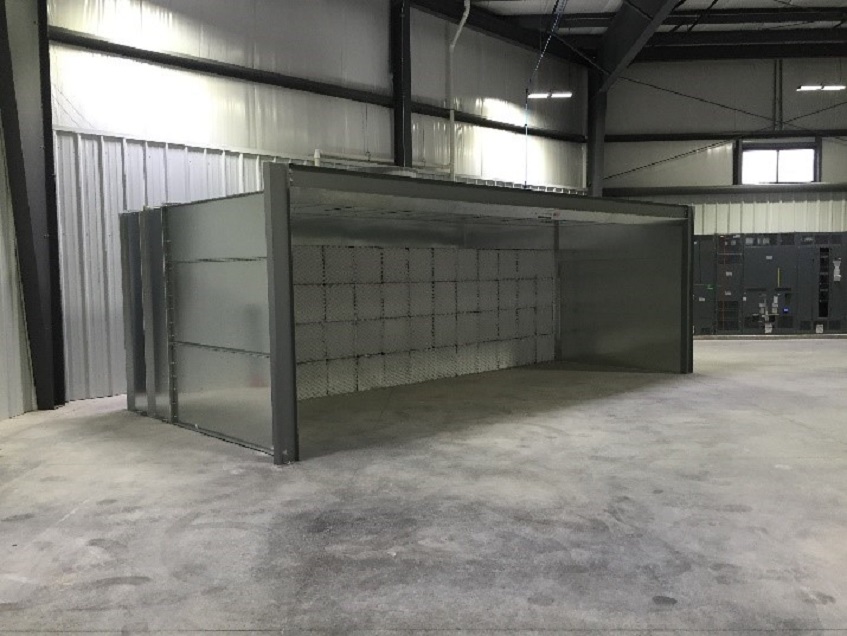
Submitting Your Paint Booth Permit
Depending on the municipality, you may submit forms in person, by email, or through an electronic portal. It helps to get a direct contact in the building department so you can ask questions without starting from scratch every time.
Most permit packages also require supporting forms and documentation such as:
- A notice of commencement signed by the owner and notarized for the job site
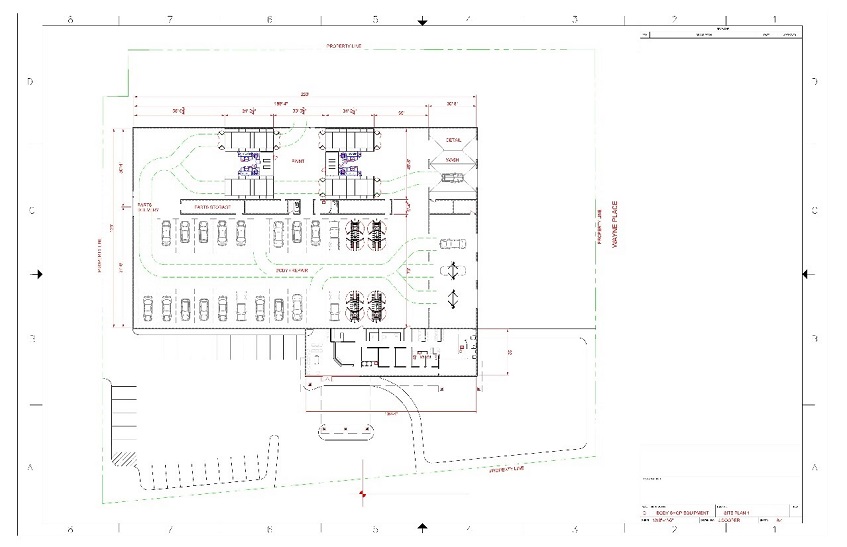
- Engineered stamped drawings or site plans for the booth and surrounding work
- Additional packages for electrical, fire suppression, plumbing, gas, or concrete work when those scopes apply
No industrial equipment installation goes smoothly without coordination between the owner, installer, contractor, and any outside reviewers. The sooner the permitting process is researched alongside booth design and scheduling, the better the project usually goes.
Then it is on to inspections.