
Category
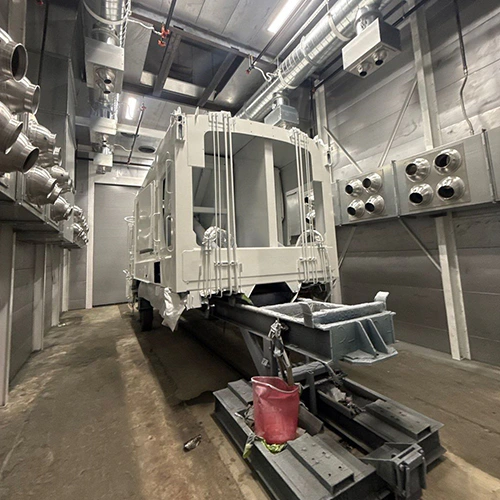
5 Powder Coating Oven Sizing Mistakes That Create Plant Bottlenecks
Avoid costly industrial oven sizing errors. Account for loaded rack envelopes, airflow paths, full thermal cycles, workload extremes, and plant flow.
Privacy choices have not been changed.
Category
Avoid costly industrial oven sizing errors. Account for loaded rack envelopes, airflow paths, full thermal cycles, workload extremes, and plant flow.
Category
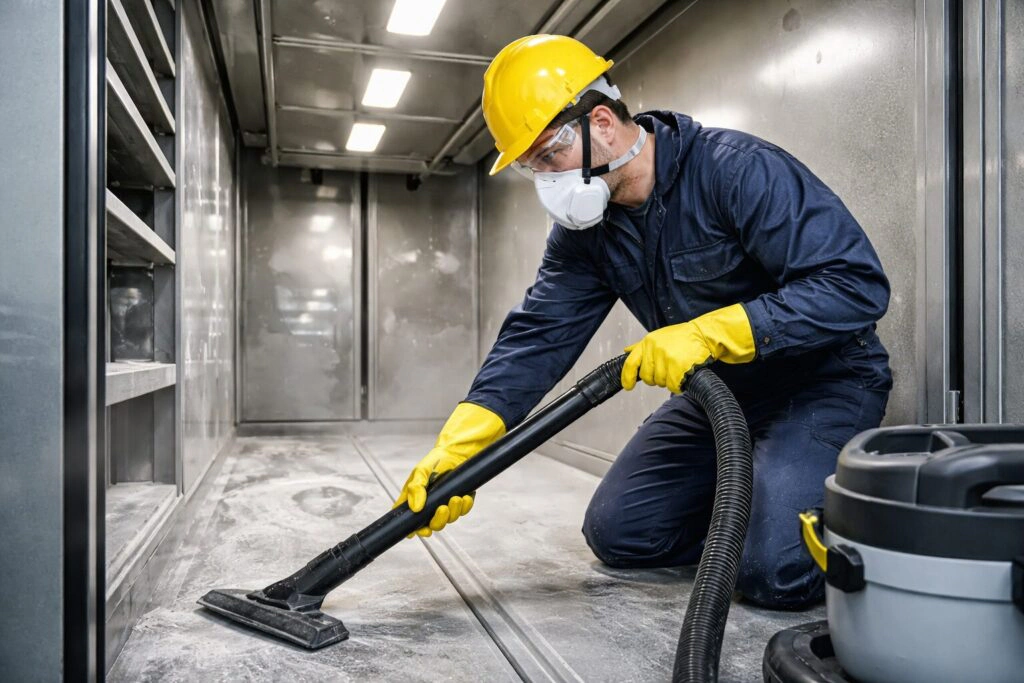
Follow model-specific OEM manuals to clear hazardous energy, heat, and residues. Verify approved methods, access limits, and return-to-service protocols.
Category
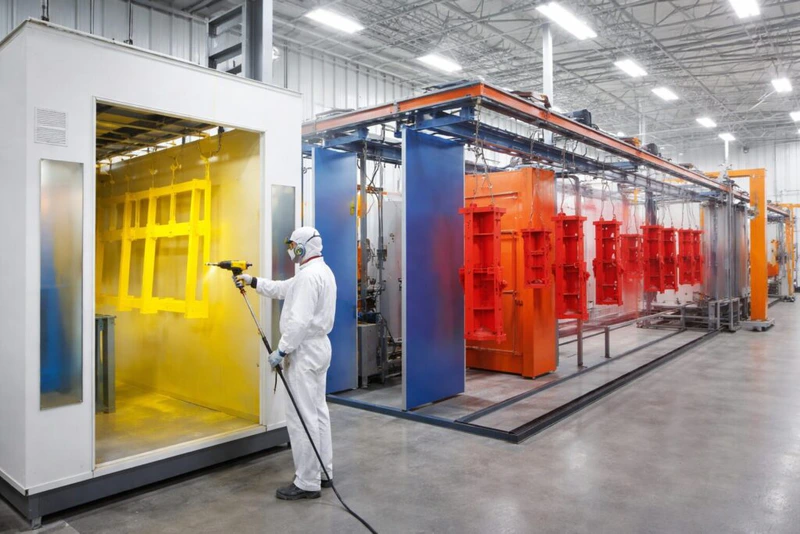
Powder coating ovens run hot and they move a lot of air. During curing, the coating chemistry and any residues on the parts can release odors, light smoke, or vapors. Proper ventilation keeps those byproducts from building up inside the oven and leaking into the shop. It also supports consistent curing by helping the oven maintain stable airflow patterns and uniform temperatures. When ventilation is off, you can see uneven cure, gloss variation, contamination on parts, higher energy use, and more frequent maintenance because vapors can condense inside ductwork and on oven components. The goal is balance: remove what needs to be removed, keep the oven slightly negative so fumes do not escape, and avoid exhausting so much heated air that performance and efficiency suffer.
Category
Build a structured comparison record tracking part temperatures, film thickness, and powder batches to pinpoint color shifts and work effectively with your suppliers.

Category
Compare part mix, color changeovers, material handling, and demand patterns to choose the right batch or continuous conveyor architecture for your powder line.
Category
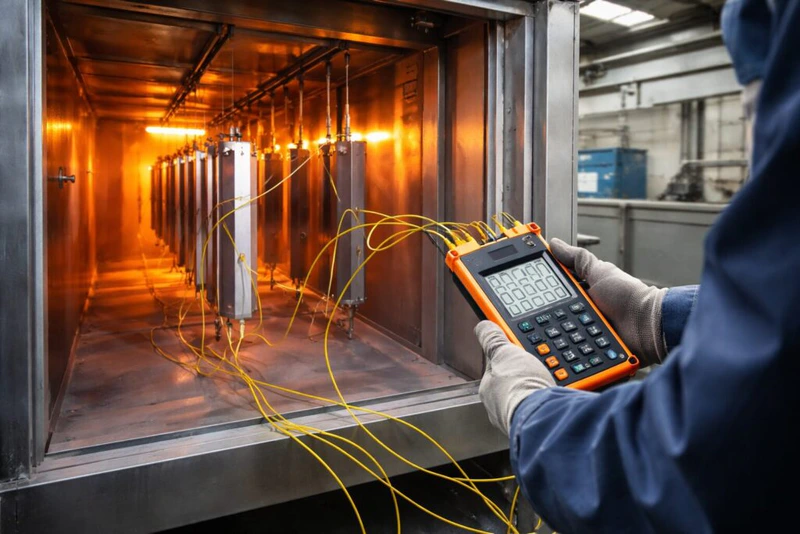
Learn how to scope powder coating oven calibration by separating controller accuracy, work-zone uniformity, and part profiling, plus the records and triggers needed for retesting.
Category
Control powder integrity with clean handling, rigorous lot traceability, stable storage, and vendor-managed disposition protocols for suspect inventory.