
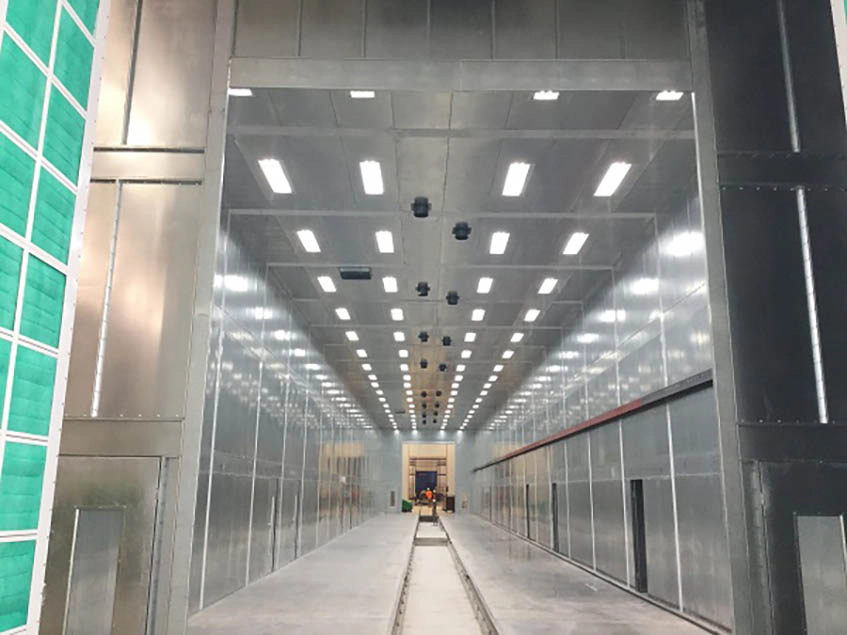
Declining spray booth illumination can stem from exterior lens contamination, lamp failure, or gradual light-source degradation. Treating every visibility complaint as a burned-out bulb wastes inventory, hides airflow imbalances, and fails to resolve chronic visual fatigue in the spray zone. Establishing clear inspection routines, logging fixture-specific conditions, and respecting the line between exterior cleaning and qualified electrical work supports dependable booth lighting and appropriate service decisions.
Identify Lens Contamination, Lamp Outages, and Output Drift
Overspray accumulation, point electrical failures, and gradual lumen depreciation require entirely different corrective actions. Before opening panels or ordering replacement parts, operators should record the observed pattern and escalate uncertain causes to qualified maintenance staff.
| Observed Condition | Typical Visual Signature | Primary Root Cause |
|---|---|---|
| Lens Contamination | Diffuse, milky shadows across wide area | Dry overspray or coating mist on glass |
| Lamp Outage | Sharp, localized dark void in pattern | Blown tube, dead LED board, or driver |
| Output Drift | Uniform dimming or color-shift over time | Normal diode aging or phosphor wear |
Lens contamination presents as a broad, milky haze that scatters light rather than cutting it off sharply. This occurs when overspray rolls back against the glass or when intake filtration fails to catch ambient shop dust. If horizontal fixture rows look yellowed or fogged, inspect surface contamination first without assuming it is the only cause. Operators can inspect the outer glass face directly from inside the booth during pre-shift walkarounds without disturbing the fixture envelope.
Lamp outages create distinct, high-contrast dark zones across the target piece. When a driver fails, a circuit trips, or a fluorescent tube burns out, an entire fixture or distinct board section goes black.
Lumen drift is more subtle. Industrial light sources, including LEDs and high-output fluorescents, lose output over thousands of operating hours before they fail completely. A fixture may illuminate fully across its surface yet deliver substantially fewer foot-candles to the vehicle or part panel than it did when commissioned. Reviewing manufacturer lighting inspection guidance helps identify the inspection and replacement criteria applicable to the installed fixture.
Record Fixture Models, Ratings, and Isolation Boundaries
Maintaining an accurate equipment register prevents hazardous substitutions when lenses, gaskets, or internal components need replacement. Industrial liquid spray booths rely on engineered boundaries to separate high-voltage electrical connections from volatile solvent vapors.
Under OSHA 29 CFR 1910.107(b)(10), booths commonly utilize isolated lighting panels where the fixture interior is physically separated from the spraying area by noncombustible transparent panels arranged to effectively isolate the spraying area and resist breakage. In these configurations, the lens does not simply protect the lamp from overspray; it functions as a critical mechanical barrier maintaining the integrity of the spray enclosure.
To maintain these assemblies safely, record the following specifications for all paint booth lighting fixtures in an equipment register:
- Fixture model and serial numbers: Captured directly from the manufacturer nameplates inside the service access cavity or booth engineering drawings.
- Listing certifications: Class and division ratings, or spray enclosure isolation listings, which dictate exact replacement tolerances.
- Lens specifications: Dimensions, nominal thickness, and material composition (typically tempered glass designed to withstand booth operating temperatures).
- Gasket part numbers: Closed-cell or continuous elastomer seals that prevent solvent vapors from migrating behind the glass.
- Approved lamp and ballast/driver data: Maximum allowed wattage, voltage parameters, and authorized module configurations.
Substituting standard commercial window glass, using incorrect gasket materials, or exceeding maximum lamp wattages can cause thermal cracking, compromise vapor boundaries, and void the equipment listing.
Distinguish Approved Surface Maintenance from Electrical Service
Housekeeping tasks belong to booth personnel; servicing internal electrical components requires qualified maintenance staff and positive energy isolation. Confusing these roles creates safety risks and damages sensitive sealing surfaces.
| Permitted Routine Cleaning (Booth Operator) | Qualified Electrical Service (Technician Only) |
|---|---|
|
|
Use only the cleaning methods approved for the installed lens and protective covering. GFS permits a non-ferrous, non-sparking scraper for certain uncovered lights; that instruction does not authorize arbitrary blades or methods on other fixtures. Unapproved solvents can leach plasticizers from perimeter gaskets, causing them to shrink, harden, and leak overspray into the housing. Operators should utilize peelable protective films designed for booth glass, replacing the films as soon as overspray reduces clarity.
Opening any lighting enclosure requires full lock-out/tag-out (LOTO) procedures to isolate the power supply, consistent with standard equipment service guidelines. Never access lighting interiors while the booth is actively spraying or during the mandatory post-spray ventilation purge cycle required to exhaust flammable vapors. When internal components fail, an authorized electrical technician should repair or upgrade booth lighting rather than allowing floor operators to dismantle sealed housings.
Establish Condition Logs and Escalate Persistent Visibility Issues
A dedicated lighting log eliminates guesswork and prevents recurring component failures from slipping by unnoticed. Operators should log routine observations, lens film changes, and point failures systematically.
Track these core entries for each booth fixture:
- Date and fixture identifier: Note the specific wall, ceiling, or corner location.
- Observed condition: Record whether the issue is surface overspray, physical glass damage, gasket deterioration, or component outage.
- Corrective action taken: Document film replacement, surface cleaning, or escalation to electrical maintenance.
- Sign-off: The operator or technician completing the task.
Tracking these entries highlights underlying facility issues. If fixtures in one corner accumulate overspray twice as fast as the rest of the booth, investigate airflow imbalance, loaded exhaust filters, or worn door seals as possible contributors rather than assuming a lighting fault. Similarly, if drivers or lamps fail repeatedly in a specific housing, technicians can investigate localized heat buildup or electrical supply fluctuations rather than repeatedly swapping bulbs.
If your booth lighting consistently fails to provide adequate visibility despite clean lenses, or if aging fixtures exhibit degraded frames, failing seals, and obsolete electrical components, reach out to an equipment specialist. Request a Quote to source OEM-compliant replacement fixtures, certified glass panels, or retrofit kits engineered for your booth's specific classified boundaries.