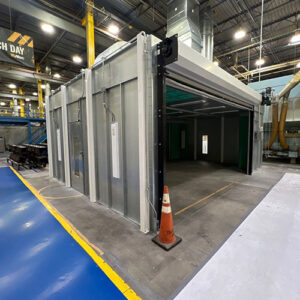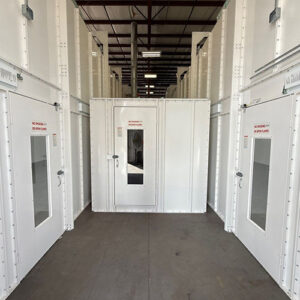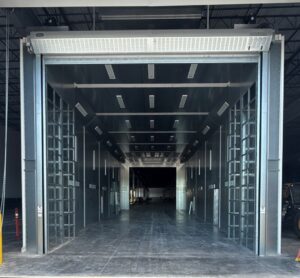
A lot of buyers ask the wrong first question. They ask whether a prep station is better than a paint booth, as if the two solve the same problem. They do not. A prep station helps with preparation, throughput, and cleaner workflow before finishing. A paint booth is designed to support controlled spraying and finish quality. The right first investment depends on what is currently limiting your operation.
If your bottleneck is prep congestion, a prep station may improve flow faster. If your bottleneck is finish quality, contamination control, or spraying capacity, a paint booth is usually the more important move. The key is to diagnose the operational problem before buying equipment.
Related planning checks: For sanding, masking, and lighter prep work, a limited finishing prep station can solve a different problem than a full spray booth and may be the right first step. If your bottleneck is surface preparation rather than spraying, review the process used to prepare vehicles for the paint booth before buying more booth capacity. When spraying coatings or creating regulated overspray, the decision shifts back toward a code-compliant booth because paint booth ventilation requirements become central to safety and approvals.
A prep station and a paint booth are built for different jobs
A prep station is generally about staging work, sanding, masking, cleanup, and keeping the shop more organized while parts move toward finishing. It can help reduce clutter and improve movement through the process. For some operations, that alone creates meaningful efficiency because technicians are not constantly competing for space or improvising around a crowded workflow.
A prep station solves preparation flow. A paint booth solves controlled spraying. Confusing the two usually creates the next bottleneck.
A paint booth, by contrast, is about controlled application conditions. Air movement, filtration, cleanliness, and finishing consistency are central. If the work you do requires repeatable coating quality, the booth is not just a convenience. It is part of how you protect the result.
That is why the right answer depends on whether your main pain is before paint or during paint.
Buy the equipment that removes the biggest bottleneck first
The smartest way to choose between a prep station and a paint booth is to look at where work is actually getting stuck. If jobs are piling up before the finish stage because technicians do not have enough clean space to prep efficiently, a prep station may relieve pressure quickly. It can create better handoff into the finishing area and reduce wasted motion across the day.
But if your jobs are already getting stalled by coating quality problems, contamination, spraying delays, or limited finishing capacity, solving prep flow first may not move the needle enough. In that case, the booth is closer to the money because it affects output quality and completion speed directly.
In other words, invest in the constraint, not the thing that feels easiest to buy.
When a prep station should probably come first
A prep station often makes sense first when your shop already has adequate finishing capability but struggles with organization, staging, or pre-finish congestion. If technicians are waiting for space, masking in inefficient conditions, or creating shop chaos because there is no defined prep zone, a prep station can improve flow and labor efficiency.
This is especially true when the finishing environment is already acceptable and the real friction lives upstream. In that scenario, a prep station supports throughput by making the work arriving at the booth cleaner, more organized, and easier to process.
The gain is operational discipline. You are not necessarily solving a finish-quality problem. You are solving a workflow problem.
When a paint booth should probably come first
A paint booth should usually come first when finish quality, repeatability, cleanliness, or spray capacity are major business issues. If rework is common, contamination is hard to control, or jobs cannot move through finishing predictably, a booth is likely the more important investment.
This is also true when customer expectations are high. If appearance, consistency, and turnaround matter to revenue, the booth is not optional infrastructure. It is a core production asset. A better prep area will not compensate for an inadequate finishing environment.
Many buyers know they need both eventually. The sequencing question is really about which missing piece is hurting the business more right now.
Think about labor economics, not just equipment function
There is also a labor-angle to this decision. A prep station can improve technician utilization by reducing clutter, idle movement, and stop-start work. A booth can improve labor economics by reducing rework, protecting finish quality, and making throughput more dependable.
Both investments can pay for themselves, but they do so differently. A prep station often saves time and smooths process flow. A booth often protects quality and completion value. If one type of loss is costing you more than the other, that should shape the order of investment.
The wrong sequence creates disappointment
One reason buyers regret equipment purchases is that they solve a secondary problem first. A prep station may improve organization, but if the real pain is spray-related quality loss, the business still feels stuck. Likewise, a booth may be a great addition, but if the operation is constantly choking on prep congestion, the gain may feel smaller than expected.
That does not mean the equipment is wrong. It means the diagnosis was incomplete. Good capital decisions start with operational truth.
A simple decision framework
Ask these questions before deciding. Where do jobs wait the longest? Where do technicians lose the most time? Where does quality break down? Where does customer-facing delay actually happen? Which missing capability creates the most stress inside the business?
If the honest answers point to upstream congestion and inefficient preparation, start with the prep station. If they point to finishing quality, contamination, or spray bottlenecks, start with the booth. If both problems are severe, prioritize the one that affects revenue and customer outcomes more directly.
Bottom line: buy for the bottleneck, not the label
Prep stations and paint booths are not interchangeable. They serve different roles in a finishing workflow, and the right first purchase depends on what is limiting your shop today.
If the operation is losing money because work cannot be prepared cleanly and efficiently, a prep station may be the right first move. If the bigger pain is finish quality, contamination, or unreliable spraying capacity, the paint booth deserves priority.
The best decision is the one that removes the constraint closest to revenue, quality, and throughput. That is usually where equipment turns into ROI fastest.
Consider the customer promise behind the purchase
One more way to make this decision is to ask what promise your business is trying to keep. If customers buy from you because they expect visual quality, clean finishing, and dependable completion, then the paint booth may sit closer to the brand promise than a prep station does. If customers are mostly feeling pain from slow internal flow and poor job movement before paint, then prep infrastructure may deserve the first investment.
This is important because equipment decisions should not only solve internal inconvenience. They should strengthen the outcome the customer is paying for. The closer the bottleneck is to customer-visible quality and delivery, the stronger the case for solving it first.
If you will eventually need both, plan the sequence intentionally
Many shops are not really deciding between one or the other forever. They know they will likely need both over time. In that situation, the goal is not to prove one category is superior. The goal is to choose the sequence that creates the most operational improvement with the least regret.
That usually means solving the more expensive bottleneck first, then letting the next investment reinforce the gains. When buyers think this way, the first purchase becomes part of a staged maturity plan instead of a standalone guess.
The bottom line: Diagnose your actual bottleneck before buying anything. If you cannot pinpoint whether the constraint is preparation, spraying capacity, or environment, talk to a booth specialist who will ask about your workflow before recommending equipment. The right first investment depends entirely on what is limiting you right now.
Ready to plan a safer, more efficient booth project? Contact Paint Booth to talk through your application.