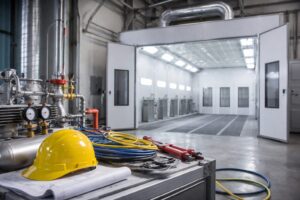
Cleaning a powder coating oven is not just a housekeeping task. It is part of protecting your team, your equipment, and your product quality. Powder residue, overspray, and baked-on buildup can become safety hazards over time. They can also affect airflow, temperature consistency, and cure performance. The challenge is that oven cleaning often involves hot surfaces, confined areas, electrical components, and chemicals, all in the same job. That is why safety needs to lead the process from start to finish. Below is a practical, safety-first approach we recommend when cleaning a powder coating oven. The goal is to keep the language simple and the steps realistic, whether you are doing routine wipe-downs or a deeper scheduled clean.
Prepare the Area and the Team Before You Start
Most oven cleaning problems happen before the cleaning begins. A rushed setup leads to skipped precautions. Start by treating oven cleaning like a planned maintenance activity, not a quick chore between batches.
First, control the heat. Never clean while the oven is operating or still hot enough to burn skin on contact. Let the oven cool to a safe, comfortable temperature. Many teams use a basic rule: if you would not place your bare hand near the surface for a few seconds, it is still too hot. Hot metal, insulated panels, and internal baffles can hold heat longer than expected, even after shutdown. Next, isolate energy sources. Lockout and tagout should be used so the oven cannot be turned on while someone is inside or working on components. This includes electrical power, gas supply, and any fan or conveyor system that could move unexpectedly. The goal is simple: no surprise startups.
Then, clear the workspace. Remove carts, racks, hooks, and loose parts that could cause trips or block exits. Make sure there is a clean path to walk, and keep the area dry. Cleaning often involves liquids or damp cloths, and wet floors are a common accident source. Finally, plan the job. Decide what will be cleaned, what methods will be used, what tools are needed, and who is responsible for each step. If the oven is large or requires entry, assign a spotter to stay outside and monitor the work. Even a quick check-in system can prevent serious problems.
Use the Right Personal Protective Equipment
The correct protective equipment depends on how you are cleaning and what you are cleaning off. Powder coating residue can become airborne during brushing or vacuuming. Some cleaners can irritate skin or eyes. In some cases, you may be working near sharp sheet metal edges or overhead surfaces.
At a minimum, use safety glasses or sealed goggles to protect against dust and splashes. Use gloves that match the task. Light, cut-resistant gloves help when working around metal edges. Chemical-resistant gloves are better for wet cleaning or solvent use. If the cleaning produces dust, use a properly fitted respirator suited for fine particulate. A simple dust mask is not always enough, especially during heavier cleaning. If you are unsure, follow the powder and chemical supplier guidance and your facility safety program.
Wear long sleeves and durable work clothing to reduce skin contact with residue. If you will be working above shoulder height, consider head protection as well. It sounds basic, but powder dust can fall straight into eyes and onto skin when you are wiping overhead panels or internal ducting. Also remember hearing protection. If you are using powered tools, strong vacuums, or working near compressed air systems, noise levels can climb quickly.
Control Dust, Fumes, and Ventilation During Cleaning
Air quality is one of the most overlooked risks when cleaning a powder coating oven. Powder residue can become airborne, and some cleaning agents release fumes. Poor ventilation can concentrate both.
Start by verifying that the area has enough airflow. If your oven has ventilation components or exhaust paths, make sure you understand what can safely operate during cleaning and what must be locked out. Follow your internal safety procedures for fan operation during maintenance. If the oven is off and isolated, you may still need temporary ventilation in the area, such as local exhaust or portable units, especially for enclosed spaces. Avoid dry sweeping. Sweeping kicks fine powder into the air and spreads it to other parts of the shop. Instead, use a vacuum designed for fine dust. If there is any chance of combustible dust concerns in your environment, use equipment that is rated for that use and follow the safety standards your facility applies. This is not the place to use a household vacuum.
Be cautious with compressed air. Blowing powder off surfaces can create a dense cloud quickly and push residue into electrical areas, bearings, or sensors. If compressed air is used at all, it should be controlled, limited, and paired with dust capture, but many facilities avoid it for oven cleaning because of the risk. If you use cleaning chemicals, read the label and safety data information. Many products require specific ventilation levels and storage rules. Do not mix cleaners. Even common products can create hazardous reactions when combined. Keep containers closed when not in use and use only the amount needed for the job.
Choose Safe Cleaning Methods and Tools
Using the right tools matters for safety and for protecting the oven. Aggressive scraping or incorrect solvents can damage panels, seals, insulation, or sensors. Damaged components can later lead to overheating, heat loss, poor cure, or even fire risk. For routine cleaning, a soft brush, microfiber cloths, and a suitable vacuum are often enough. Focus on removing loose powder and residue from floors, corners, and areas where buildup collects. When buildup is baked on, do not jump straight to metal scrapers. Start with the mildest method that works and move up carefully. Non-sparking tools and non-metal scrapers can reduce the risk of damage and reduce ignition concerns where dust is present.
For wet cleaning, use cleaners approved for the oven surfaces. Some solvents can attack gaskets, paint, or protective coatings. Apply cleaner to cloths rather than spraying freely, especially near control panels, burners, thermocouples, and wiring. Liquids can migrate into places you cannot see, and that can lead to corrosion or electrical faults later.
If you need ladders or platforms to reach high areas, make sure they are stable and rated for industrial use. Never climb on racks or conveyor parts. Maintain three points of contact on ladders and keep tools secured. A dropped tool inside an oven can damage equipment or injure someone below. Keep fire safety in mind. Powder residue may collect in hidden areas. Avoid using open flames, unapproved heat guns, or any ignition source during cleaning. Even if the oven is off, residue can still present a risk when disturbed and suspended in air. Good dust control and safe tools reduce this risk.
Handle Confined Space and Access Risks Carefully
Some ovens require personnel to reach inside or partially enter to clean. This introduces a different level of risk. Even if your oven does not meet the strict definition of a confined space, limited access can still create hazards like poor ventilation, difficult exits, and reduced visibility. Use proper lighting so you can see edges, buildup, and trip hazards. Portable work lights should be rated for the environment and positioned so cords do not create a trip path. Do not work alone when entry is required. A spotter outside the oven should be able to communicate with the person inside at all times.
Keep an exit route clear. Do not stack removed parts near access doors. If you are cleaning floor areas inside the oven, take extra care with wet surfaces. A slip inside an oven can cause serious injuries because of the hard surfaces and tight space. If your facility has a confined space program, follow it exactly. That may include air monitoring, entry permits, and rescue planning. It is always better to treat oven entry with high caution than to assume it is safe because it feels routine.
Finish With Safety Checks Before Returning to Production
A safe cleaning job is not complete when the last cloth is put away. Before restarting the oven, do a final inspection. Remove all tools, rags, and cleaning materials from the oven and surrounding areas. Check that panels and access doors are secured. Verify that sensors, burners, and fan housings are clear of debris. Look for any signs of damage such as torn seals, loose wiring, or bent guards. If something looks off, address it before startup.
Make sure waste is handled correctly. Powder residue and used cloths should be disposed of according to your facility rules and local requirements. Store remaining chemicals properly and clean up any spills. Then remove lockout and tagout only after the work is confirmed complete and everyone is clear. Restart the oven and monitor the initial heat-up. Listen for unusual noises, watch for unexpected odors, and confirm airflow and temperature behavior. A short observation period can catch issues early, before they become downtime or safety incidents.
A Safer Routine Builds a Stronger Operation
Cleaning a powder coating oven is one of those tasks where small shortcuts can lead to big problems. The safest approach is consistent preparation, proper protective equipment, dust control, and careful tool choice. When teams treat cleaning like planned maintenance, the results are better across the board. Fewer injuries, fewer surprises during startup, and more stable oven performance. If you build these precautions into your routine, oven cleaning becomes more predictable and less stressful. That is the real goal. Keep people safe, protect the equipment, and keep production moving with confidence.
At Paint Booth, we specialize in providing top-tier paint booths and finishing equipment tailored to your business requirements. Whether you need a standard-size paint booth or a custom solution designed for your unique projects, our expert team is here to assist you every step of the way. From design to installation, we ensure that your equipment meets the highest industry standards, enhancing both your productivity and the quality of your finishes. Contact us today to find the perfect paint booth solution for your business!