A paint booth relies on one critical system more than anything else: airflow. When airflow is working correctly, it keeps overspray under control, protects workers, supports proper curing, and helps produce a clean, professional finish. When airflow starts to fail, problems often appear slowly at first. Many operators ignore early warning signs until quality drops, safety risks increase, or equipment damage becomes unavoidable. Understanding how to recognize airflow failure early can save time, reduce costly rework, and extend the life of your booth. Below, we break down the most common signs, causes, and risks of failing paint booth airflow, along with what to do when problems begin.
Why Proper Airflow Matters in a Paint Booth
Paint booth airflow does much more than move air from one end of the booth to the other. It controls contamination, removes hazardous fumes, and maintains consistent conditions for painting and curing. Proper airflow pulls fresh air in, carries overspray away from the work surface, and exhausts contaminated air through filters and ventilation systems.
When airflow is balanced, paint particles settle smoothly on surfaces instead of floating in the air. Painters can see clearly, breathe safely, and maintain consistent results. When airflow weakens or becomes uneven, overspray lingers, dust settles where it should not, and fumes build up. These changes directly affect finish quality, worker health, and compliance with safety standards. Because airflow problems often develop gradually, many facilities operate with failing systems longer than they realize.
Clear Signs Your Paint Booth Airflow Is Failing
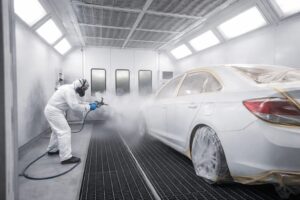
Airflow failure rarely shows up as one obvious issue. Instead, it appears through a combination of visual, physical, and performance-related changes inside the booth. One of the earliest signs is excessive overspray in the air. If paint particles seem to hang longer than usual or create a visible haze, airflow is likely not strong enough to remove them efficiently. This often leads to cloudy visibility inside the booth, making it harder for painters to work accurately.
Another common warning sign is uneven paint finishes. When airflow slows or becomes inconsistent, paint does not settle evenly. You may notice rough textures, dry spray, fisheyes, or blotchy areas on finished surfaces. These defects often lead to rework, increased material waste, and longer production times. Dust buildup is another indicator. When airflow weakens, airborne contaminants settle on walls, floors, lighting, and freshly painted parts. If your booth seems harder to keep clean or dust appears more frequently on finished products, airflow is likely not pulling contaminants away effectively.
Strong or lingering odors are also a red flag. Proper airflow removes fumes quickly. If paint smells remain long after spraying stops, or if workers complain of headaches or irritation, ventilation may be failing. This is both a quality and safety concern. Temperature and humidity fluctuations inside the booth can signal airflow trouble as well. Airflow helps regulate environmental conditions. When it falters, heat and moisture may build up, affecting paint drying and curing times. Finally, unusual noises from fans or motors should not be ignored. Rattling, whining, or grinding sounds may indicate mechanical strain caused by restricted airflow or failing components.
Common Causes of Airflow Failure
Airflow problems usually develop due to maintenance issues, aging equipment, or operational changes. One of the most frequent causes is clogged or overloaded filters. Intake and exhaust filters trap paint particles and debris, but when they become saturated, airflow is restricted. Many operators underestimate how quickly filters can become blocked, especially in high-volume operations.
Fan and motor wear is another major contributor. Over time, fans lose efficiency due to dirt buildup, worn bearings, or damaged blades. Motors may struggle to maintain proper speed, reducing overall air movement through the booth. Ductwork issues can also reduce airflow. Leaks, blockages, or poorly sealed connections allow air to escape before it reaches the exhaust system. Even small gaps can significantly affect airflow balance.
Improper booth loading can create airflow disruptions as well. Placing large objects incorrectly, overcrowding the booth, or blocking intake or exhaust areas prevents air from moving evenly across surfaces. Changes in production volume without system upgrades often cause problems. A booth designed for lower output may struggle when usage increases. More spraying means more overspray and more demand on the ventilation system. Electrical issues, such as voltage fluctuations or faulty controls, can also impact fan performance. These problems often go unnoticed until airflow reduction becomes severe.
Risks of Ignoring Airflow Problems
Failing airflow affects far more than paint quality. Worker health is one of the biggest concerns. Poor ventilation allows harmful fumes and particles to remain in the breathing zone longer. Over time, this can cause respiratory issues, dizziness, fatigue, and long-term health risks. Fire and explosion risks increase when airflow is inadequate. Flammable vapors must be removed efficiently to prevent dangerous concentrations from forming. Reduced airflow compromises this safety function.
Equipment wear accelerates as well. When overspray builds up inside the booth, it coats lights, walls, fans, and ductwork. This increases cleaning demands and shortens the lifespan of critical components. From a business standpoint, airflow failure leads to higher operating costs. More rework, wasted materials, longer cycle times, and unplanned downtime quickly add up. Regulatory compliance can also become an issue if ventilation standards are not met. Ignoring airflow issues rarely saves money. It almost always leads to larger repairs or full system replacements down the line.
How to Check and Monitor Airflow Performance
Regular inspection is key to catching airflow problems early. Visual checks should be part of daily operations. Pay attention to overspray behavior, visibility, and cleanliness inside the booth. Air velocity testing provides more precise insight. Measuring airflow speed at intake and exhaust points helps determine whether the system is performing within design specifications. Sudden drops in velocity often indicate filter blockage or mechanical issues.
Pressure gauges across filters are another useful tool. Rising pressure readings signal restricted airflow and indicate when filters need replacement. Listening to equipment matters as well. Changes in fan noise or vibration often precede mechanical failure. Maintenance records play an important role. Tracking filter changes, fan servicing, and performance tests helps identify patterns and predict when problems are likely to occur.
What to Do When Airflow Starts to Fail
When early signs appear, immediate action can prevent bigger issues. Start by inspecting and replacing filters if needed. This simple step often restores airflow quickly. If filter changes do not resolve the issue, inspect fans, motors, and ductwork. Cleaning buildup, tightening connections, or repairing leaks can make a significant difference. Professional airflow testing and system evaluation may be necessary for persistent problems. Experts can identify hidden issues such as imbalanced airflow, undersized components, or design limitations.
If production demands have increased, upgrading fans, filters, or the entire ventilation system may be required. Operating beyond system capacity will continue to strain airflow until changes are made. Training staff to recognize airflow warning signs also helps. Painters and operators are often the first to notice subtle changes. Encouraging early reporting prevents minor issues from escalating.
Keeping Your Paint Booth Airflow Reliable Long Term
Consistent airflow does not happen by accident. It requires routine maintenance, proper operation, and awareness. Establishing a regular filter replacement schedule is one of the most effective preventive measures. Keeping the booth clean reduces overspray buildup that can restrict airflow over time. Proper loading practices ensure air can move freely around parts.
Periodic professional inspections help confirm that the system continues to meet safety and performance standards as equipment ages or production changes. A paint booth with healthy airflow delivers better finishes, safer working conditions, and more predictable results. Knowing the warning signs of airflow failure allows you to act before problems affect quality, safety, or profitability.
At Paint Booth, we specialize in providing top-tier paint booths and finishing equipment tailored to your business requirements. Whether you need a standard-size paint booth or a custom solution designed for your unique projects, our expert team is here to assist you every step of the way. From design to installation, we ensure that your equipment meets the highest industry standards, enhancing both your productivity and the quality of your finishes. Contact us today to find the perfect paint booth solution for your business!